Basalt Stone: Properties, Uses, Types & Applications in Construction
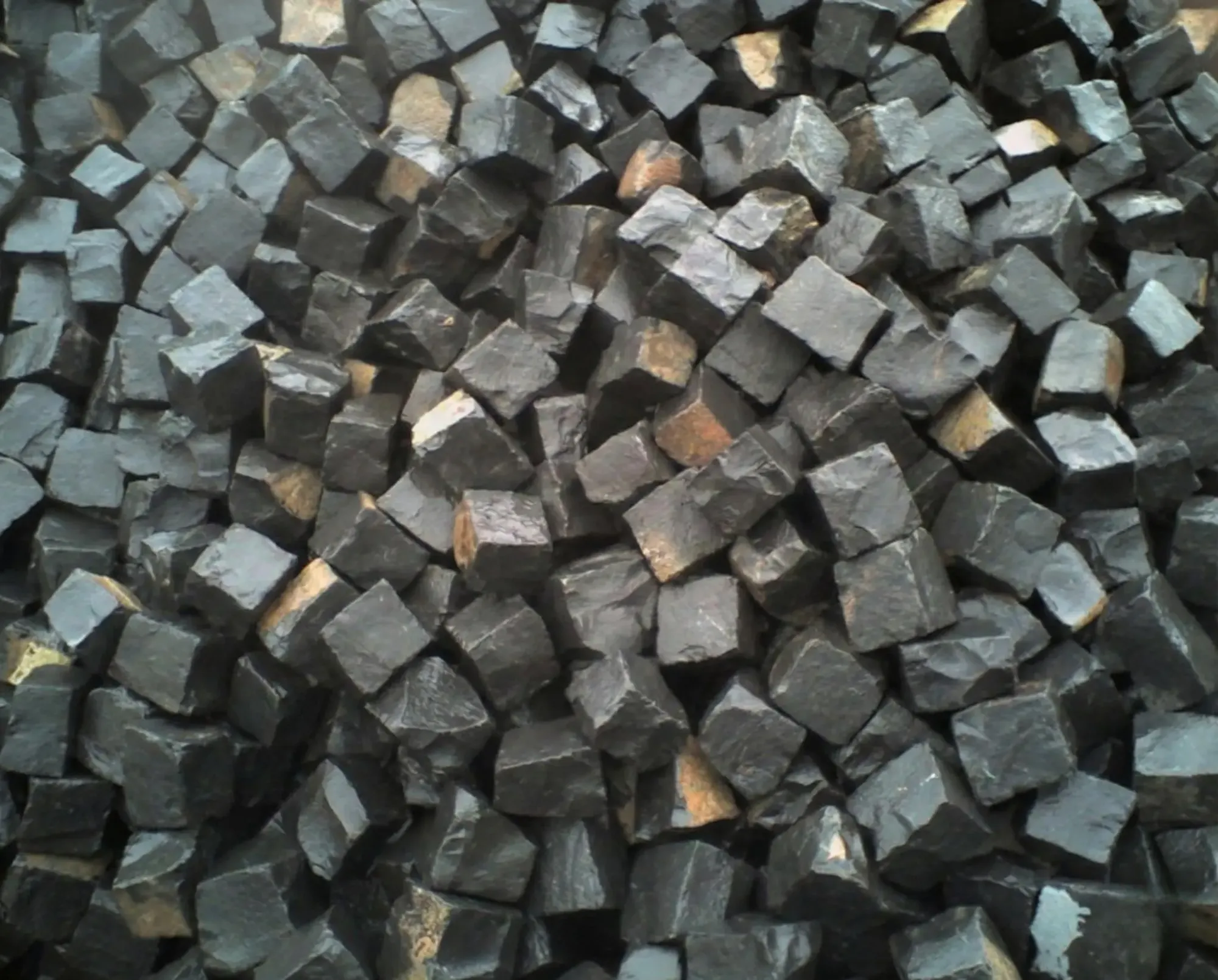
Basalt Stone: A Complete Guide to Uses, Benefits, and Applications
Introduction
Basalt stone is one of the most widely used natural stones in construction, landscaping, and industrial applications. Formed from rapidly cooled volcanic lava, it is known for its strength, durability, and deep black appearance. Because of its density and resistance to weathering, basalt stone has become a preferred material for architects, builders, and designers around the world.
In this guide, we will explore what basalt stone is, its properties, types, and its major applications in modern construction and design.
What is Basalt Stone?
Basalt stone is a fine-grained igneous rock formed from the rapid cooling of lava exposed at or near the Earth’s surface. It is typically dark gray to black in color and has a very dense structure.
Unlike many other natural stones, basalt stone is extremely hard and compact, making it ideal for heavy-duty applications such as roads, flooring, and structural projects.
Key Properties of Basalt Stone
The popularity of basalt stone comes from its unique physical and chemical properties:
- High strength and durability
- Low water absorption
- Weather and heat resistance
- Slip-resistant surface
- Long lifespan
- Eco-friendly natural material
Because of these features, basalt stone is widely used in both residential and industrial construction projects.
Types of Basalt Stone Products
There are several forms in which basalt stone is available, depending on its use:
1. Basalt Stone Tiles
Basalt stone tiles are commonly used for flooring, wall cladding, and outdoor paving. Their dark color and matte finish give a modern and elegant look.
2. Basalt Stone Slabs
Large basalt stone slabs are used in countertops, monuments, and heavy architectural structures. They provide a solid and premium finish.
3. Basalt Aggregate Stone
Crushed basalt stone is used as aggregate in road construction, railway ballast, and concrete production.
4. Black Basalt Stone Blocks
These are used for paving roads, driveways, and landscaping projects where strength is required.
5. Basalt Hot Stones
Polished basalt stone is also used in spas and massage therapy due to its heat retention properties.
Applications of Basalt Stone
1. Construction Industry
One of the largest uses of basalt stone is in construction. It is used for building foundations, flooring, and structural reinforcement due to its strength.
2. Road Construction
Basalt stone is widely used in highways and road projects. Crushed basalt acts as a strong aggregate that improves road durability and load-bearing capacity.
3. Landscaping and Architecture
Modern landscape designers prefer basalt stone for pathways, garden edging, fountains, and outdoor seating areas because of its natural black aesthetic.
4. Flooring and Interior Design
Polished basalt stone tiles are used in luxury homes, hotels, and commercial spaces. Its sleek look makes interiors more elegant and modern.
5. Spa and Wellness Industry
Heated basalt stone is used in massage therapy. The stone retains heat for a long time, helping in muscle relaxation and stress relief.
Advantages of Using Basalt Stone
There are many reasons why basalt stone is preferred over other natural stones:
- Long-lasting durability
- Resistant to cracks and weather damage
- Low maintenance requirements
- Environmentally sustainable
- Suitable for both indoor and outdoor use
Because of these benefits, basalt stone is considered a cost-effective long-term investment.
Basalt Stone in Modern Architecture
Modern architects are increasingly using basalt stone in minimalist and industrial-style designs. Its natural dark tone creates a premium aesthetic that blends well with glass, steel, and wood.
In luxury homes, basalt stone is often used for:
- Kitchen countertops
- Bathroom flooring
- Feature walls
- Outdoor patios
Basalt Stone for Industrial Use
Beyond architecture, basalt stone plays a major role in industrial applications:
- Railway ballast
- Heavy concrete structures
- Asphalt road bases
- Construction aggregates
Its strength makes basalt stone ideal for high-load environments.
Why Choose Basalt Stone Over Other Stones?
Compared to granite or limestone, basalt stone offers better resistance to wear and tear. It does not easily erode, even under harsh weather conditions.
While granite is also strong, basalt stone is more uniform in texture and often more cost-effective for large-scale projects.
Maintenance of Basalt Stone
One of the biggest advantages of basalt stone is its low maintenance. Simple cleaning with water and mild soap is enough for most applications.
For outdoor basalt stone surfaces, occasional sealing can help maintain its finish and prevent staining.
Global Demand for Basalt Stone
The demand for basalt stone is increasing globally due to rapid urbanization and infrastructure development. Countries use basalt stone extensively for highways, commercial buildings, and landscaping projects.
Its availability and strength make it a preferred material in both developing and developed markets.
Conclusion
Basalt stone is a highly versatile natural material with applications ranging from construction and road building to interior design and spa therapy. Its strength, durability, and elegant appearance make it one of the most valuable natural stones available today.
Whether used as tiles, slabs, or aggregates, basalt stone continues to play a major role in modern architecture and infrastructure development.