How to Store Bulk Perlite Without Losing Volume or Quality?
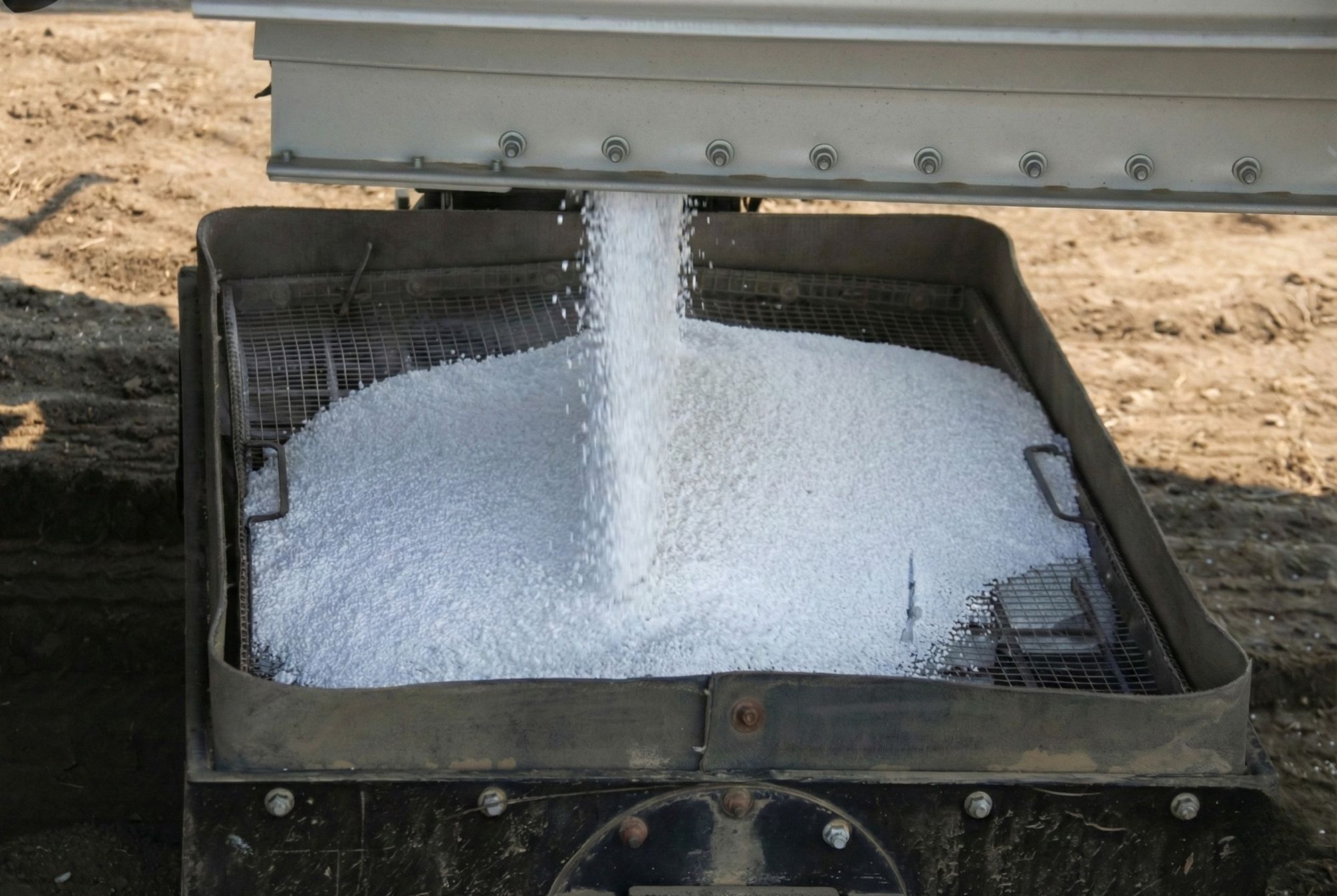
💡 How to Store Bulk Perlite Without Losing Volume or Quality?
Let’s be honest — bulk perlite is amazing stuff, but it’s also incredibly easy to mess up.
I’ve spent years dealing with bulk perlite and other raw materials in real-world environments — from industrial yards in the Gulf to warehouses in freezing parts of Eastern Europe. And I can tell you this:
Storing bulk perlite wrong can cost you way more than you think — especially if you’re in the construction, agriculture, or filtration industry, where consistency and fluffiness matter. It doesn't matter whether you're working with horticultural perlite, coarse expanded perlite, or industrial-grade filtration media — poor storage ruins performance.
We’re talking compacted loads, soggy product, rejected shipments, wasted space — even client complaints about performance.
But the good news? You can prevent 90% of those issues with just a few smart habits and simple setups.

🧠 First, Why Is Perlite So Sensitive?
If you’re storing bags of sand, you don’t have to overthink it. But perlite? Whole different game.
Perlite is made from volcanic rock that’s been heated until it transformed. That’s what gives it that airy, foamy structure we love for:
But that same structure makes it fragile. It’s porous, crushable, and highly absorbent — all the things you don’t want when your material is being dropped, rained on, or stacked 6 high in a warehouse corner.

🔥 Quick Story
One of my clients in Saudi Arabia had five containers of perlite stored under a plastic tarp — during August. Think 45°C heat, full humidity. When they finally opened the bags a month later, half of it was damp and caked solid. No fluff. No value. Gone.
🏗️ The 3 Biggest Enemies of Bulk Perlite Storage
1. Moisture
Perlite absorbs water like a sponge. If your warehouse floor is damp, or there’s humidity in the air — especially in coastal or tropical regions — your bags will soak it up. Wet perlite = dead perlite.

2. Compaction
Stacking jumbo bags too high crushes the bottom layers. That fluffy, expanded texture? Gone. You’re left with heavy clumps that don’t perform as expected in soil or filters.

3. Contamination
Open bags, torn sacks, or loose material near other powders or granules? That’s a recipe for rejected loads — especially if your client is in agriculture or filtration.

📦 So How Should You Store Bulk Perlite? Let’s Get Practical.
🛢️ 1. Choose the Right Packaging
Let’s talk bag types. There’s no perfect answer — it depends on how you’re using the material — but here’s a cheat sheet:
Jumbo Bags (1–1.5 tons):
Great for bulk shipping and minimizing labor. Use inner-lined versions to keep out moisture and reduce dust loss. Just don’t stack more than 2 high.25–50 kg Sacks:
More flexible for resale and manual handling. Ideal for agricultural use and smaller projects.- https://marblecrust.com/solutions/storage/
Loose in Containers or Silos:
Efficient for large-scale projects, but only if you can protect from humidity and load gently.
Some commercial growers also store bulk horticultural perlite this way — but only with ventilation systems in place.
Pro Tip: Use UV-resistant plastic if you’re storing outdoors temporarily. But indoors is always better.

🏠 2. Ideal Storage Environment
This part matters more than most people realize.
Indoor, dry, shaded storage = best case scenario.
Here’s your checklist:
✅ Dry concrete floor with pallets (never store bags directly on ground)
✅ Roof coverage — no rain, no direct sunlight
✅ Low humidity, especially in tropical or coastal zones
✅ Good airflow — stagnant air = condensation
✅ No chemical storage nearby (perlite can absorb odors and particles)

⚖️ 3. Avoid Crushing the Goods
This one’s huge.
Overstacking is something I see all the time in warehouses that look organized.
Jumbo bags might look tough, but trust me — stack them too high for too long, and they’ll start crushing themselves under their own weight. It’s like asking a soda can to hold up a fridge.
✅ Max 2 high for jumbo bags
✅ Never double-stack if bags aren’t filled to capacity
✅ Avoid forklifts running over or bumping stacks — it happens more than you think

🚚 Don't Forget: Transport = Storage in Motion
Bulk perlite can get damaged before it even gets to your site. So storage actually begins at loading.
📦 Loading & Unloading Tips:
Use wide, blunt-edge loaders — sharp buckets crush
Never throw bags into trucks
Fill containers with some breathing room at the top
Don’t stack loose sacks on rough metal — use padded pallets or flooring

🌍 Adjust for Your Climate
What works in Dubai might fail in Mumbai. Or Munich.
Here’s how climate changes your game:
☀️ Hot & Dry (e.g., UAE, Arizona):
Protect from direct sun
UV exposure degrades outer sacks
Sealed containers can expand and sweat due to heat

🌴 Humid & Tropical (such as parts of Southeast Asia, Brazil):
Absolute moisture control is key
Use lined bags and dehumidifiers in storage
Silica gel packets in containers work wonders

❄️ Cold & Wet (e.g., Europe in winter):
Watch out for condensation inside storage units
Insulate containers if storing outdoors
Elevate pallets higher off ground

❌ The 5 Most Common Mistakes I See with Bulk Perlite
Leaving bags directly on the warehouse floor (ground moisture = invisible killer)
Storing under tarps without airflow (traps heat + humidity)
Ignoring grain separation during transfer (especially for horticulture clients)
Letting open bags sit unsealed for days
Not rotating old stock — using fresh bags first instead of FIFO
These sound basic, but trust me — I’ve seen multinational firms lose thousands of dollars over these small things.
🧠 Final Takeaway: Protect the Puff
If you want your bulk perlite to perform, you’ve got to treat it right. It’s not sand. It’s not cement. It’s a high-performance, lightweight product that needs a little care.
Store it dry
Handle it gently
Keep it clean
Rotate it often
Do that, and your perlite will stay fluffy, efficient, and ready to deliver top performance — whether you’re selling it, spreading it, or filtering with it.

🛒 Need Bulk Perlite Shipped Without the Hassle?
Whether you’re growing crops, pouring lightweight concrete, running an aquaponics setup, or filtering wastewater — we’ve got your back. We help buyers get their hands on high-quality, lab-tested, and container-ready bulk perlite without the usual headaches.
From expanded perlite for soil aeration to coarse grades for insulating concrete and industrial filtration, we ship it all.
👉 Contact us today for a perlite spec sheet, price list, or container-ready quote.
⭐ Bulk Perlite: A Wiser Investment Than You Realize
If you are still comparing bulk perlite with other lower cost fillers or old filtration media, your priorities are all wrong. However, perlite is more than just a humble material: it's an efficiency enhancer, a budget stretcher, and a multifaceted problem solver that extends across industries.
✅ In Agriculture:
Add horticultural perlite in your greenhouse, vertical farm or large scale nursery operations for the best drainage and reduced root rot, plus quicker plant growth — all without gunking up your soil beds.

✅ In Construction:
Lightweight insulation: Expanded Coarse Perlite; Light Structural: Pumice, Expanded Coarse Perlite. Perfect for fire-resistant concrete, cavity wall insulation and precast blocks which require strength and sustainability.

✅ In Aquaponics & Hydroponics:
Perlite is a great medium for water-based systems as it is sterile, inert, has no pH levels that affect the system and can be used in any systems where purity or consistency are important. Bulk perlite for aquaponics is great for fish farming and cultivating plants.

🧠 Bottom Line
When you buy-in to real bulk perlite, it is not a purchase so much of material as an acquisition of a competitive advantage. Cheaper transportation, higher level of service, and fewer complaints from unhappy customers about deliveries.