Which Size of Crushed Pumice Stone Should You Really Be Using?
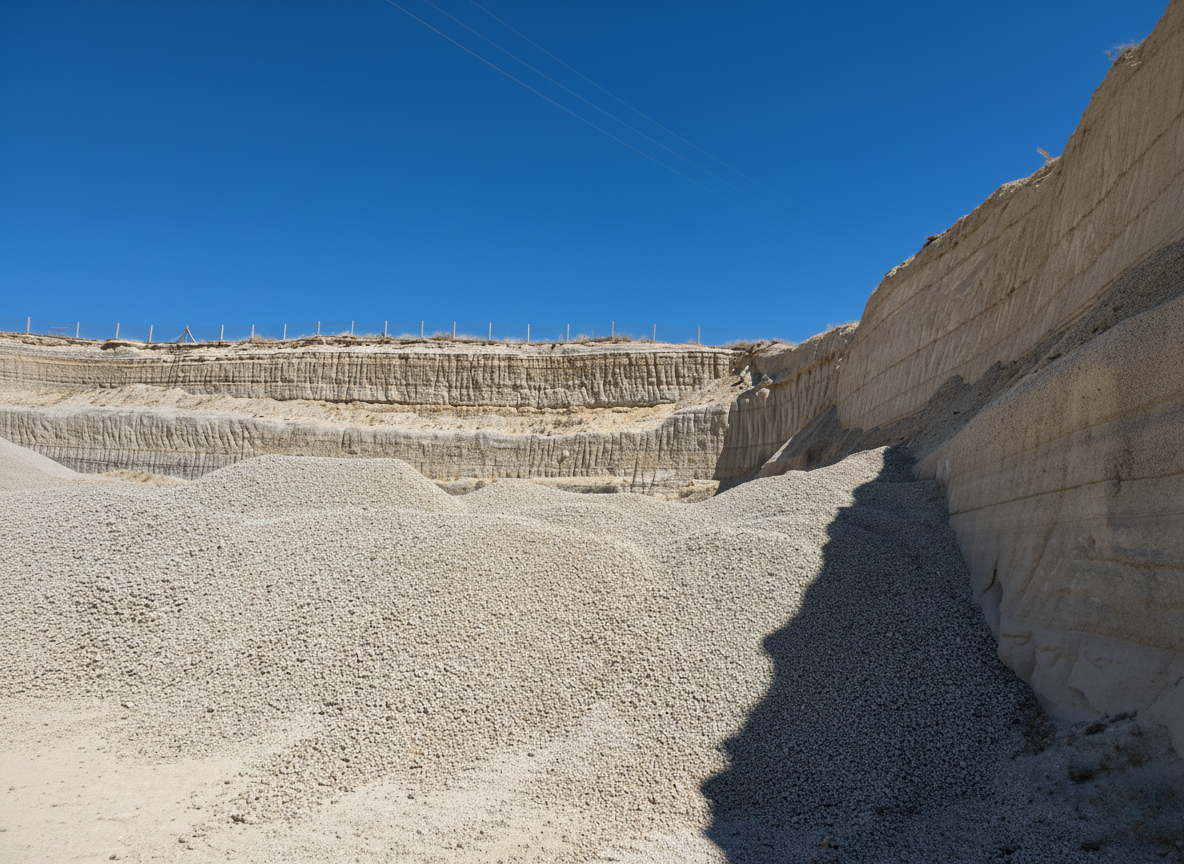
A No-Fluff Guide for Builders, Buyers, and Bold Decision Makers for Crushed Pumice Stone
If you’ve landed here, you already know that pumice stone isn’t just another dusty volcanic byproduct. It’s a game-changer in more ways than one. Lightweight, naturally abrasive, and highly porous pumice stone shows up in everything from green rooftops in Dubai to cosmetic scrubs in Berlin.
But here’s the real kicker: choosing the wrong pumice stone size can sabotage your entire project.
I’ve seen it happen. More than once. And believe me, it’s expensive.
Let’s cut through the confusion so you can finally pick the right crushed pumice stone size for your application — without wasting time or money.


🧠 First: What Does “Size” Actually Mean?
When we talk about the size of pumice stone, it’s not really about the weight or space it covers. We mean the size of each little bit — the granule diameter. After coming out of the ground, pumice is crushed. It gets screened next (like with big sieves) & then sorted into sizes that are all the same.
Here’s a quick rundown:
Fine: Under 1 mm
Medium: 1–5 mm
Coarse: 5–15 mm
Oversized: 15 mm and up (mainly for landscaping or artistic use)
Each size has its own density, porosity, moisture behavior, and most importantly — its ideal use.


"Back in 2019, I had a shipment rejected by a contractor in Qatar because we shipped 8–12 mm instead of the 2–6 mm pumice he needed for lightweight tile adhesive. That mistake cost us three weeks... and nearly the client."
⚖️ Why Granule Size Affects Performance (And Why It Matters So Much)
Let’s unpack how the size of pumice stone granules impacts performance:
🔸 Bulk Density
Finer granules pack more tightly, meaning higher bulk density.
Crucial when weight efficiency matters — like in prefabricated panels or hydroponic soil mixes.
🔸 Porosity & Surface Area
Smaller pumice particles have bigger surface area.
Better for absorbing water, nutrients, chemicals — ideal for filtration or chemical cleanups.
🔸 Drainage vs. Retention
Coarse pumice allows water to drain quickly.
Finer grades retain water better — important for stormwater systems, green roofs, and plant propagation.

🧱 Size-by-Use: A Breakdown You’ll Actually Use
Let’s walk through common B2B uses for pumice stone — and the right size for each:
🏗️ 1. Construction Additives (Concrete, Plasters, Lightweight Blocks)
Size to Use: 2–10 mm
✅ Improves thermal insulation
✅ Reduces structural dead load
✅ Enhances fire resistance
“On a housing project in Izmir, we replaced regular gravel with pumice. Result? 30% lighter concrete and way better energy retention.”

🌿 2. Horticulture & Green Roofs
Size to Use: 2–6 mm
✅ Improves root aeration
✅ Stabilizes moisture levels
✅ Long-lasting alternative to perlite
“A Gulf-based landscaper used our 4–6 mm pumice stone for palm trees in planters. Root growth exploded within months.”

💧 3. Water Filtration Systems
Size to Use: 0.5–3 mm
✅ High purity and porosity
✅ Excellent for multi-layer filtration
✅ Reusable after backwashing

🪨 4. Decorative Landscaping & Ground Cover
Size to Use: 8–25 mm
✅ Long-lasting natural stone look
✅ Easy drainage
✅ Neutral tones blend into any landscape
“We supplied 20 mm pumice stone to a university courtyard project in Riyadh. Five years later, it still looks freshly laid.”

🧰 Washed vs. Raw vs. Dried: Which Form Do You Need?
Washed Pumice Stone: Ideal for horticulture and filtration. Dust free.
Raw Crushed Pumice: Perfect for construction, bulk fill, and general use.
Dried Pumice: Lighter for export, consistent grading — useful for international shipping.
💡 Pro Tip: Always ask for moisture content under 1.5% when shipping by container. Anything higher means you’re literally paying to move water.
📦 How to Order the Right Pumice Stone Size
Don’t just say “Send me pumice.” That’s how you end up with the wrong material.
Here’s how to get it right:
✅ Know the application
✅ Specify the size range in millimeters
✅ Indicate washed, raw, or dried
✅ Ask for a sieve analysis (especially for large orders)
“One landscaping client said he wanted ‘medium-sized pumice.’ We shipped 5–8 mm. He actually wanted 12–15 mm. Cue: order returns and unhappy customers.”
✅ Final Word: Choose the Right Pumice Stone Size or Pay the Price
If you take away one thing from this, let it be this:
🧱 Every project needs the right size of pumice stone.
It’s not just about visual. The right grade affects everything from durability to drainage to long term cost. And if you’re buying in bulk? There’s no margin for error.

📈 Why More Professionals Trust Pumice Stone From Turkey
At Marble Crust, we’ve shipped over 25,000 metric tons of Turkish pumice stone across Europe, the Middle East, and Africa — and matching the right granule size is always our first priority.
👉 [Request a Free Sample or Sieve Analysis]
👉 [Talk to a Material Expert]
👉 [Download the Technical Datasheet]
🌍 Bonus Section: Top Benefits of Using Pumice Stone in Industrial and Environmental Projects
The popularity of pumice stone continues to grow in the global market thanks to its wide range of environmental and structural benefits. If you’re an importer, an engineer, or maybe a landscape designer, there’s a good reason to look at bulk pumice stone:
Eco-Friendly Sourcing
This rock just happens on its own in nature & doesn’t get worked on too much, so it has a tiny carbon footprint when you compare it with fake, man-made stuff.Great Weight-to-Strength Ratio
Pumice is light but still strong. That’s why folks use it for building tall things and stuff that needs to be strong but not heavy.Perfect for Green Landscaping
It works well in jobs like xeriscaping (where you use less water), stopping dirt from running away (erosion control), and keeping weeds down — without needing harsh chemicals.Saves Money for the Long Haul
When you use pumice stone as ground cover, it doesn’t need to be changed out or fixed much — not like bark, gravel, or other junk folks use outside.Works All Over the World
Turkish pumice stone fits with lots of rules (CE, ISO, REACH). It’s ready to get shipped out to places like the EU, GCC, or North America.

Maybe you’re building a green roof in your house. Or putting together a system to clean dirty water in Africa. Or even making lightweight concrete better in Europe. Pumice stone works naturally for all those things & more — strength, staying green, and getting the job done.
Why Crushed Pumice Stone Keeps Showing Up Everywhere
I’ve been around this industry long enough to see plenty of materials come and go, but crushed pumice stone keeps proving itself across different projects. It’s one of those rare raw materials that actually solves problems instead of creating new ones.
🏗️ On the construction side
Contractors I’ve worked with use crushed pumice stone in concrete mixes, blocks, and plaster. The difference is noticeable — lighter loads on the structure, better insulation, and fewer headaches with fire ratings. Once you’ve tried it, regular gravel feels outdated.
🌱 In horticulture and green projects
Growers love how crushed pumice stone behaves in soil mixes. It keeps roots aerated, holds the right amount of water, and doesn’t break down after one season like some fillers do. I’ve seen rooftop gardens in Dubai thrive simply because they switched from perlite to crushed pumice stone.
💧 For water and filtration systems
This is where crushed pumice stone really shines. We are seeing that the porous structure is ideal for trapping particles and supporting microbial colonies only. This keeps systems running with fewer backwashes. Crushed pumice stone actually works well in both city water treatment plants and aquaponics systems. It definitely performs the same way in different setups.
🏞️ Landscaping and decorative use
Designers go for crushed pumice stone because it looks natural, drains well, and doesn’t compact like other aggregates. I’ve delivered shipments years ago that still look almost as fresh as the day they were laid down.
🚢 Export and reliability
Packed right — usually in jumbo bags with moisture under control — crushed pumice stone ships safely across long distances. I’ve seen container loads arrive in the Gulf and North Africa ready to use straight away, no clumping or loss.
In short, crushed pumice stone isn’t just another aggregate on the list. Further, it is versatile and reliable, with proven results across industries. This itself makes it suitable for further applications in different sectors. We are seeing that when buying large quantities, selecting only the correct grade of crushed pumice stone makes the difference between projects that face problems and those that give long-lasting results.