Travertine Stone: Everything You Need to Know About Travertine Flooring, Tiles & Countertops
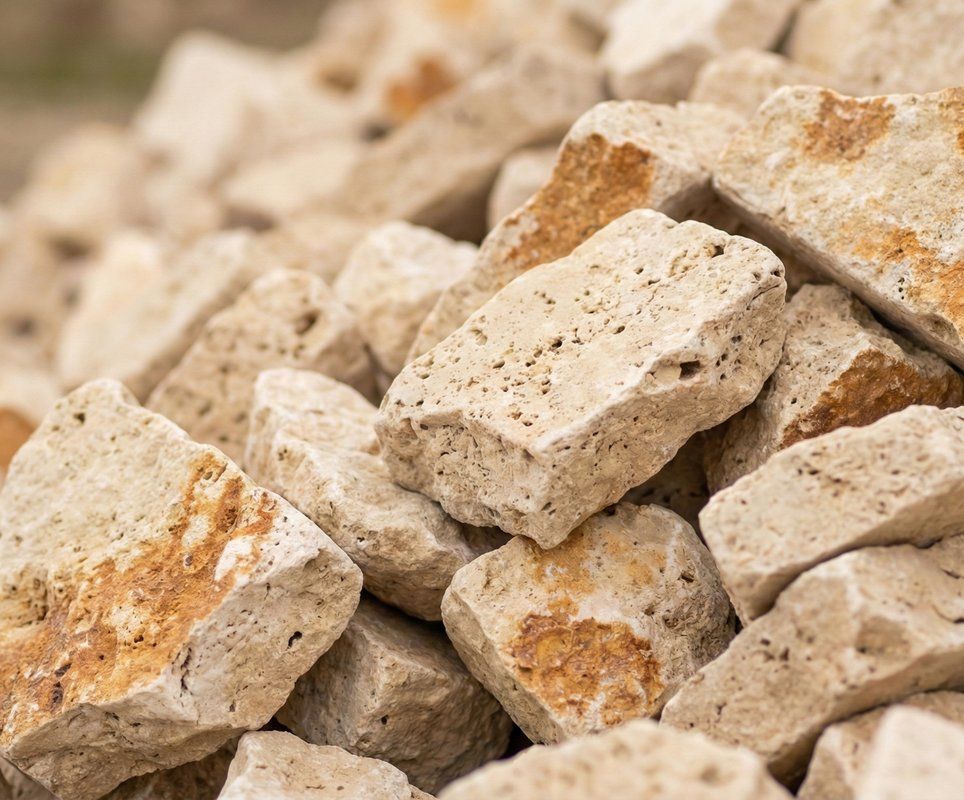
Travertine Stone: A Complete Guide to Travertine Flooring, Tiles & Countertops
Travertine stone is one of the most popular natural stones used in modern architecture and interior design. Known for its timeless beauty, durability, and distinctive texture, travertine has been a preferred building material for centuries. From elegant travertine flooring to stylish travertine countertops, this versatile stone adds sophistication and value to residential and commercial spaces alike.
In this guide, we'll explore what travertine is, its different applications, and why it remains a top choice for homeowners, architects, and designers.
What Is Travertine?
Many people ask, what is travertine? Travertine is a natural sedimentary stone formed by mineral deposits from hot springs and limestone caves. It belongs to the limestone family and is characterized by its unique porous surface, earthy tones, and natural patterns.
Often referred to as a type of travertine rock, this stone is extracted from quarries around the world and processed into slabs, tiles, and other architectural products. Its natural appearance makes it an ideal choice for both traditional and contemporary design styles.
Benefits of Travertine Stone
Travertine stone offers several advantages that make it a highly desirable material:
1. Natural Beauty
Each piece of travertine stone features unique veining, textures, and color variations, ensuring no two installations look exactly alike.
2. Durability
Travertine is a strong and long-lasting natural stone capable of withstanding daily wear and tear when properly maintained.
3. Versatility
Whether used as flooring, wall cladding, countertops, or outdoor paving, travertine complements a wide range of design aesthetics.
4. Timeless Appeal
Travertine has been used in iconic structures for centuries, proving its enduring popularity and classic elegance.
Travertine Flooring: A Popular Choice
Travertine flooring is widely appreciated for its luxurious appearance and durability. Available in various finishes such as polished, honed, brushed, and tumbled, travertine floors can create different looks depending on the design requirements.
Advantages of Travertine Flooring
- Elegant and natural appearance
- Comfortable underfoot
- Suitable for both indoor and outdoor applications
- Available in multiple colors and finishes
- Adds value to residential and commercial properties
Travertine flooring is commonly installed in living rooms, hallways, kitchens, patios, and poolside areas due to its ability to remain cool even in warm climates.
Travertine Tiles for Modern Interiors
Travertine tiles are among the most versatile natural stone products available today. They can be used on floors, walls, backsplashes, bathrooms, and outdoor spaces.
Popular tile finishes include:
- Honed Travertine Tiles
- Polished Travertine Tiles
- Tumbled Travertine Tiles
- Brushed Travertine Tiles
The natural textures and earthy colors of travertine tiles create a warm and inviting atmosphere, making them suitable for both residential and commercial projects.
Travertine Countertops: Style Meets Functionality
For homeowners seeking a distinctive alternative to granite or quartz, travertine countertops offer a unique solution. These countertops showcase the natural beauty of stone while providing excellent durability.
Why Choose Travertine Countertops?
- Unique natural patterns
- Elegant and luxurious appearance
- Heat resistance
- Suitable for kitchens and bathrooms
- Complements various cabinet styles
To maintain travertine countertops, regular sealing is recommended to protect the stone from moisture and stains while preserving its natural beauty.
Silver Travertine: A Contemporary Favorite
Among the various color options available, silver travertine has become increasingly popular in modern architecture and interior design.
Silver travertine features stunning shades of silver, gray, beige, and subtle white tones. Its sophisticated appearance makes it ideal for:
- Luxury flooring
- Feature walls
- Bathroom designs
- Outdoor facades
- Commercial spaces
The neutral color palette of silver travertine allows it to blend seamlessly with contemporary and minimalist interiors.
Understanding Travertine Rock
The formation of travertine rock occurs over thousands of years as mineral-rich water deposits calcium carbonate layers. This natural process creates the distinctive holes and textures that give travertine its unique character.
Travertine rock is quarried and transformed into various building materials, including tiles, slabs, pavers, and decorative elements. Its natural composition and visual appeal make it one of the most sought-after stones in the construction and design industry.
Maintenance Tips for Travertine Stone
To keep travertine stone looking beautiful for years, follow these simple maintenance practices:
- Seal the surface regularly.
- Clean with pH-neutral stone cleaners.
- Avoid acidic cleaning products.
- Wipe spills immediately.
- Use mats and rugs in high-traffic areas.
Proper care helps preserve the stone's appearance and enhances its longevity.
Conclusion
Travertine stone continues to be a preferred natural stone for homeowners, designers, and architects worldwide. Whether you're considering travertine flooring, travertine tiles, travertine countertops, or premium silver travertine, this natural material offers unmatched elegance, durability, and versatility. Understanding what is travertine and how travertine rock is formed can help you appreciate the unique beauty and value it brings to any space.
At MarbleCrust, we offer premium-quality travertine stone solutions to help you create stunning interiors and exteriors that stand the test of time. Explore our collection and discover the perfect travertine products for your next project.