Travertine Stone Guide: Types, Uses & Benefits
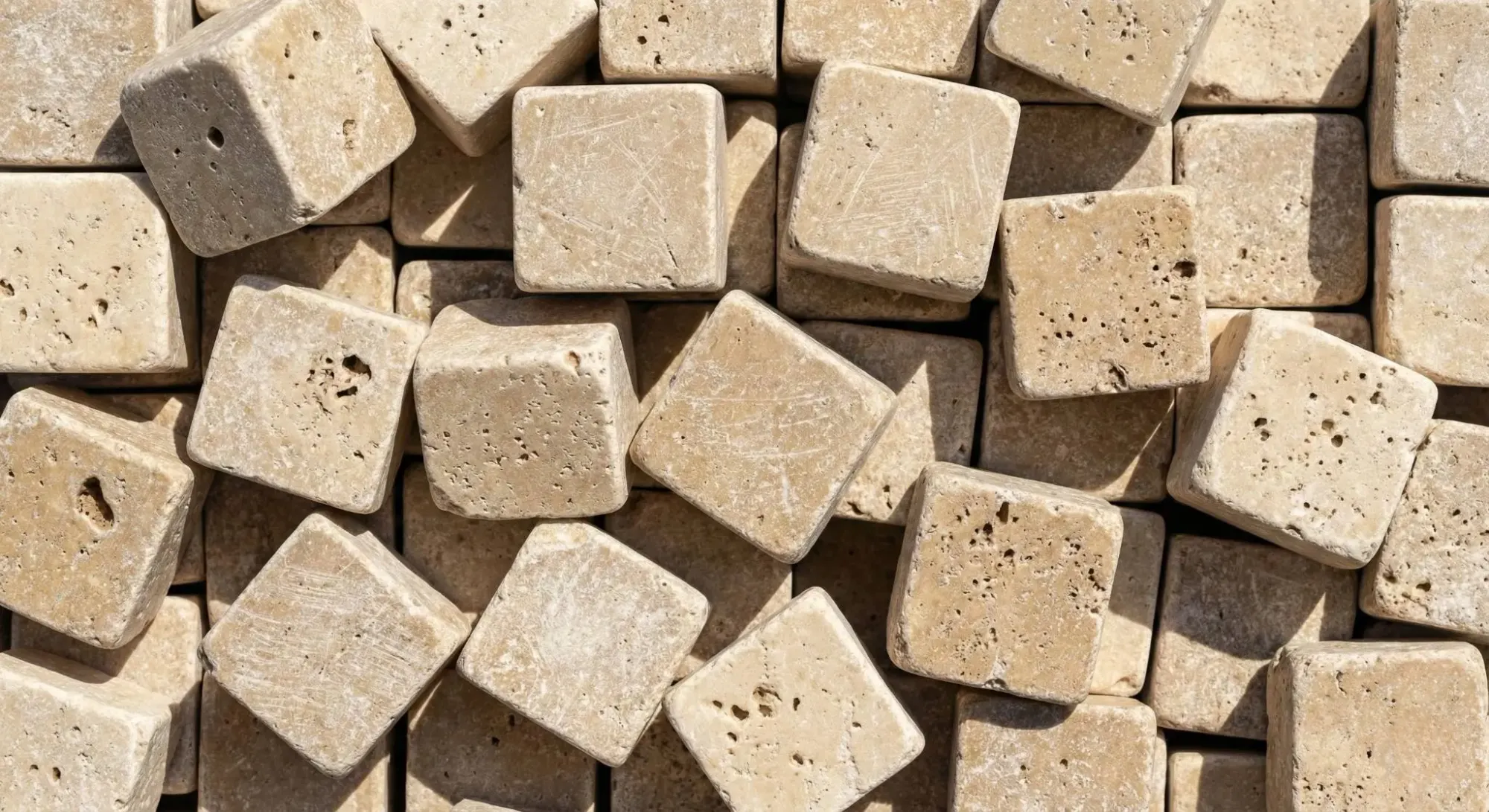
Travertine Stone: Complete Guide to Natural Elegance
Introduction
Travertine Stone is one of the most popular natural stones used in architecture and interior design. Known for its timeless beauty, durability, and unique texture, it has been widely used in flooring, wall cladding, countertops, and outdoor spaces for centuries.
In modern construction, Travertine Stone continues to be a preferred choice for architects and homeowners who want a natural yet luxurious finish. Its earthy tones and natural patterns make every piece unique.
What is Travertine Stone?
Travertine Stone is a form of limestone that is created by mineral deposits from hot springs and natural water sources. Over time, calcium carbonate builds up and forms this beautiful stone with natural holes and textures.
These natural pores give Travertine Stone its characteristic appearance, making it different from other stones like marble or granite.
Features of Travertine Stone
Travertine Stone offers several unique features that make it highly desirable:
- Natural and elegant appearance
- Long-lasting durability
- Heat and weather resistance
- Easy to cut and shape
- Suitable for both indoor and outdoor use
Because of these features, Travertine Stone is widely used in luxury residential and commercial projects.
Types of Travertine Stone
There are several types of Travertine Stone available in the market:
1. Beige Travertine Stone
The most common variety, offering a warm and natural look suitable for all spaces.
2. Silver Travertine Stone
A modern grey-toned stone that is popular in contemporary designs.
3. Classic Travertine Stone
Known for its creamy and earthy tones, often used in traditional architecture.
4. Filled Travertine Stone
This type has its natural pores filled for a smooth and refined finish.
Each type of Travertine Stone brings a different aesthetic appeal depending on the design requirement.
Travertine Stone for Flooring
Travertine Stone flooring is one of the most popular applications of this material. It is widely used in homes, hotels, villas, and commercial buildings.
Benefits of Travertine Stone flooring include:
- Natural and luxurious appearance
- Slip-resistant surface
- Long lifespan
- Suitable for high-traffic areas
Its natural texture adds warmth and elegance to any space.
Travertine Stone Tiles
Travertine Stone tiles are widely used in interior and exterior applications. They are commonly installed in bathrooms, kitchens, living rooms, and wall cladding.
These tiles are versatile, durable, and visually appealing, making Travertine Stone a top choice for modern interiors.
Travertine Stone Countertops
Travertine Stone countertops are commonly used in kitchens and bathrooms. They provide a natural and elegant look while also offering heat resistance and durability.
With proper sealing and maintenance, Travertine Stone countertops can last for many years while maintaining their beauty.
Importance of Travertine Stone Supplier
Choosing the right Travertine Stone supplier is very important for ensuring quality and durability. A reliable supplier provides:
- High-quality natural stone
- Proper cutting and finishing
- Custom sizes and designs
- Consistent color and texture
A trusted source ensures that your Travertine Stone project meets high standards.
Travertine Stone Export Market
The demand for Travertine Stone exporter services is increasing globally. Countries around the world import Travertine Stone for residential, commercial, and luxury construction projects.
Its natural beauty and durability make it a preferred material in international markets.
Maintenance of Travertine Stone
Maintaining Travertine Stone is simple if done regularly:
- Clean with mild soap and water
- Avoid harsh chemicals
- Seal the surface periodically
- Wipe spills immediately
Proper care ensures that Travertine Stone remains beautiful for years.
Travertine Stone Restoration
Over time, surfaces made of Travertine Stone may lose their shine. In such cases, Travertine Stone restoration services can bring back its original look.
This process includes cleaning, polishing, and sealing to restore the stone’s natural beauty.
Benefits of Using Travertine Stone
There are many advantages of using Travertine Stone:
- Natural luxury appearance
- Eco-friendly material
- High durability
- Versatile applications
- Long-term investment value
These benefits make Travertine Stone a preferred choice in construction and design.
Conclusion
Travertine Stone is a timeless natural material that adds elegance, strength, and beauty to any space. Whether used for flooring, tiles, countertops, or outdoor applications, it delivers unmatched aesthetic appeal.
With proper selection, installation, and maintenance, Travertine Stone can enhance the value and look of any property for decades.