What Is Calcite Used For?? A Raw Materials Expert Breaks It Down
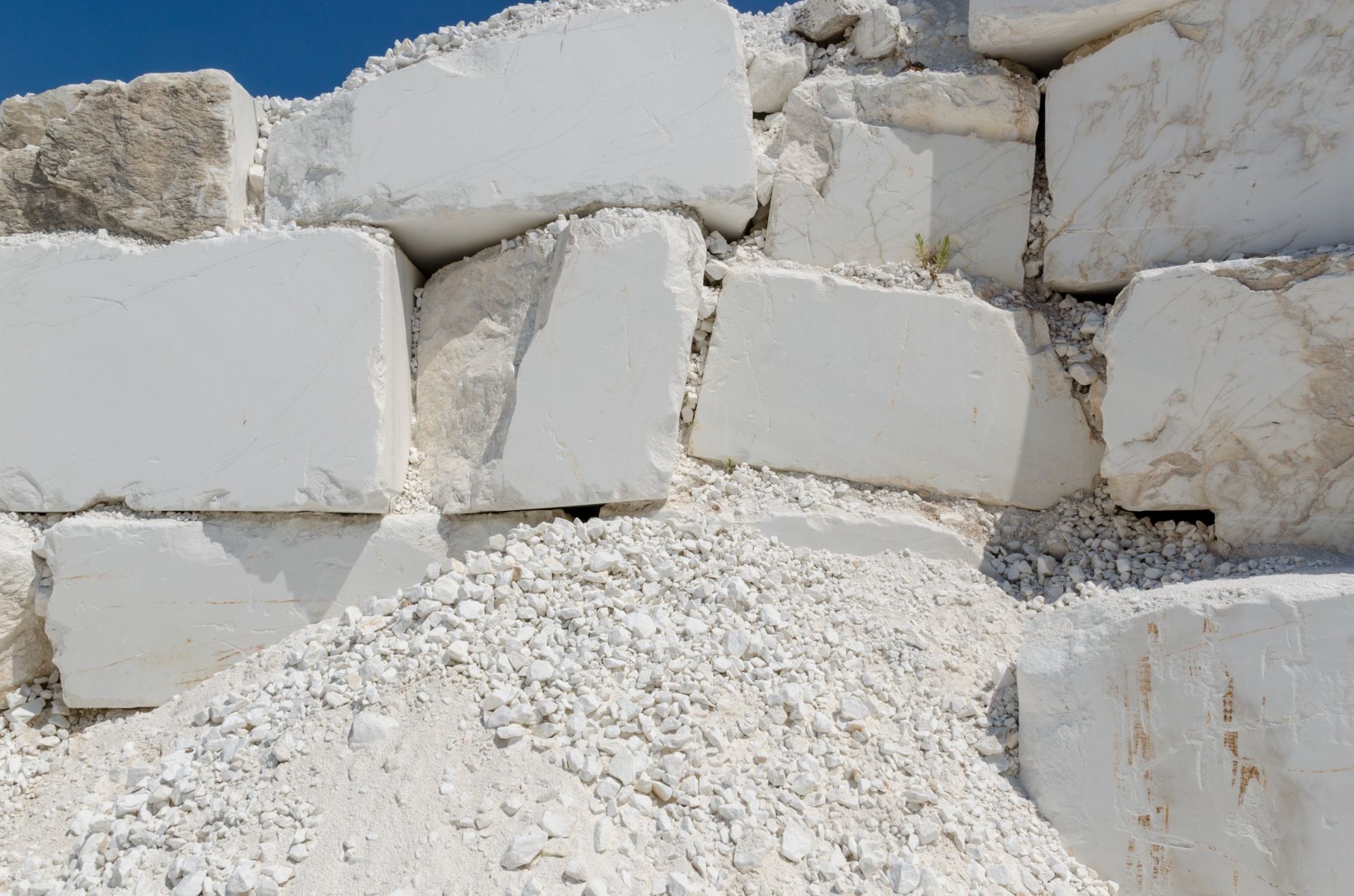
Let me tell you something most people don’t realize: calcite mineral is everywhere.
It’s in the concrete under your feet. It’s in the toothpaste you used this morning. It’s in the paper you’re holding, the paint on your wall, and maybe even the chicken feed that produced your breakfast eggs.
I’ve spent years in raw materials — standing in dusty quarries, checking shipments at ports, running my hand through bags of calcite powder. And here’s the truth: calcite is one of the most versatile industrial minerals on the planet.
Yet, most people have no idea what it is or why it matters. So today, I’m breaking down the uses of calcite — in plain English, no geology textbook required.


🏗️ What Exactly Is Calcite?
At its core, calcite is calcium carbonate mineral (CaCO₃) in crystalline form. If you’ve heard of limestone or marble, you’ve already met calcite crystal. It’s the mineral that makes up much of those rocks.
Some quick facts about natural calcite:
- Quartz is surely white or clear in color, but impurities can make it gray, yellow, or pink. Moreover, these color changes happen when other minerals mix with the pure quartz during formation.
- The mineral has hardness 3 on Mohs scale, which itself indicates it is soft enough for knife scratching. Further, this low hardness makes it easy to identify through simple testing.
- Reaction: Drop acid on it, and it fizzes. (Yes, I’ve done this countless times in the field — it’s the fastest way to tell if you’re dealing with calcite or something else.)
- Availability: Found all over the world. If you’re in Turkey, India, Vietnam, or Egypt, you’re standing near a calcite deposit.
When you crush, grind, or process calcite mineral, it becomes even more valuable — as calcite chips, micronized calcite powder, or ground calcium carbonate (GCC). And that’s when it really shines in industry.

🏗️ Calcite Uses in Construction & Building Materials
If construction had a pantry, calcite would be flour. It’s the ingredient that shows up in almost every recipe.
Cement & Concrete
Calcite mineral is a primary raw material in Portland cement. When it’s ground and heated with clay, it forms the clinker that becomes cement. Without calcite, there is no concrete jungle.
I once worked on a housing project in Turkey where the engineers decided to replace a portion of their cement with ground calcite filler. The result? They cut costs by 8% without sacrificing performance. That’s the power of calcite applications — it keeps projects strong and affordable.
Asphalt & Road Base
Crushed calcite aggregate is used in asphalt mixes and as road base material. Why? It stabilizes, compacts well, and doesn’t break down easily under traffic.
Think of every highway you’ve driven on — there’s a good chance calcite mineral is holding it together.


🌾 Calcite in Agriculture
Now let’s head to the fields. Farmers have relied on calcite for centuries, even if they didn’t call it that.
Soil Conditioner
When you actually spread calcite powder on your field, the soil pH definitely increases to better levels. Further, plants actually grow better when roots definitely absorb more nutrients from soil. This process actually makes crops stronger and definitely increases the total harvest.
Here’s a real story: In a Gulf country, I saw a farmer switch from limestone to calcite powder for soil treatment. The result? His tomato yields improved by 25% in a single season.
Animal Feed
Chickens need calcium for strong eggshells. Cows need it for bone health. Calcite granules are a cheap, safe way to add calcium to animal feed. In fact, if you’ve ever cracked a tough eggshell, thank calcite mineral.
Fertilizers
Calcite is blended into pellet fertilizers. It not only adds calcium but also makes the fertilizer less acidic.


🏭 Industrial Applications of Calcite
Here’s where calcite moves from farms and quarries into factories. It’s the filler, stabilizer, and enhancer that industries can’t live without.
Plastics & Polymers
Calcite, in the form of ground calcium carbonate (GCC), is added to plastics. Why?
- It strengthens products.
- Reduces manufacturing costs.
- Improves surface finish.
Ever used a shiny white plastic bucket? There’s a good chance calcite mineral made it smoother and stronger.
Rubber Industry
In rubber, calcite makes tires more durable and flexible. It’s not glamorous, but without it, your tires would wear out a lot faster.
Paints & Coatings
This is one of the biggest calcite applications in industry. Its high whiteness and brightness improve opacity and color coverage. Without calcite, your paint would look dull, uneven, and expensive.
I’ve supplied calcite shipments to paint factories in the Middle East where the whiteness index was a dealbreaker. If the calcite powder wasn’t white enough, the whole batch was rejected. That’s how critical it is.
Adhesives & Sealants
Calcite mineral acts as an extender, giving adhesives more body while keeping costs down.


🧴 Everyday Products Made with Calcite
Here’s where it gets personal. Calcite isn’t just in factories — it’s in your daily life.
- Toothpaste: That gentle scrub that polishes your teeth? Calcite powder.
- Cosmetics: Calcite is used as a filler in powders and creams. If your makeup feels smooth, calcite mineral helped.
- We are seeing calcite working as a flux in glass production, only helping to reduce the melting temperature of silica. Without it, glassmaking would actually cost more money and definitely need more energy.
- Paper industry actually uses special coatings to make magazines shine. These glossy papers definitely need chemical treatments to get that smooth, shiny look.
So yes, you’ve probably “used” calcite mineral three times today without realizing it.

🔥 Calcite in Steel & Metallurgy
Here’s one people often overlook. Steelmaking relies on calcite.
As per blast furnace operations, calcite mineral works as flux regarding removal of impurities like silica, sulfur, and phosphorus. Steel becomes brittle and weak without calcite. Further, calcite itself strengthens the steel structure.
It actually protects the furnace walls from damage and definitely makes the furnace last longer.
Steel plants further use dolomite for magnesium content, but calcite itself remains essential for many operations.

🚢 Export, Logistics & Packaging of Calcite
Now let’s talk business. How does calcite move from quarry to customer?
- Bulk shipments: Large volumes are shipped loose in vessels or containers.
- Packaging: Options include jumbo bags (1 ton each), 25kg bags, or micronized calcite powder in lined bags.
- Global hubs: Turkey like countries dominate the calcite export market.
One thing I’ve learned: freight often costs more than the mineral itself. That’s why consolidating orders or sourcing closer to ports can save buyers up to 15%.

⚠️ Common Mistakes Buyers Make with Calcite
Even experienced buyers trip up here.
- Not specifying particle size. Calcite can be chips, coarse powder, or micronized down to 1 micron. Each use case demands a specific grade.
- Ignoring brightness/whiteness index. Critical for paints, plastics, and paper.
- Forgetting moisture content. High moisture ruins calcite powder in transit.
- Overlooking deposit source. Calcite from marble tends to be purer than calcite from limestone.
I once handled a shipment where the buyer forgot to specify particle size. They ordered micronized calcite for paint but got coarse powder meant for cement. Entire shipment had to be reprocessed — at huge cost.
🏆 Why Calcite Mineral Is the “Everywhere Mineral”
By now, it’s clear: calcite is everywhere.
- In construction, it’s cement, concrete, and asphalt.
- In agriculture, it’s soil conditioner, fertilizer, and animal feed.
- In industry, it’s plastics, rubber, adhesives, paints, and coatings.
- In daily life, it’s toothpaste, cosmetics, glass, and paper.
- In steelmaking, it’s a critical flux.
I call it the “everywhere mineral” because whether you’re a farmer, a builder, or a manufacturer, calcite mineral is part of your supply chain — even if you don’t know it.
✅ Conclusion: The Expert’s Final Word on Calcite
So, what is calcite used for? Practically everything.
It builds your roads, strengthens your buildings, improves your crops, sweetens your toothpaste, and makes your paint shine.
The key is matching the right grade and form of calcite mineral to your application. Too coarse, too impure, or too dull — and your end product suffers.
My advice as a raw materials professional?
- Always test before buying.
- Specify particle size, brightness, and moisture.
- Work with reliable exporters who know their deposits.
Because at the end of the day, calcite may be abundant, but choosing the right calcite applications can save you money, improve your results, and protect your reputation.
That’s the power of calcite mineral — the everywhere mineral.

🌟 The Real Benefits of Choosing Calcite for Your Projects
🌟 The Real Benefits of Understanding What Is Calcite Used For?
If you’ve ever wondered what is calcite used for?, the answer is: more than most people realize. Farmers, builders, and manufacturers each have their own reasons to ask what is calcite used for?, and the benefits only show up when you connect the mineral to your specific needs.
On the farm, what is calcite used for? It’s used to neutralize acidic soils, boost yields, and provide calcium in animal feed. I’ve seen firsthand how farmers who finally understood what is calcite used for? were able to turn weak, underperforming fields into productive land simply by applying calcite powder.
In construction, what is calcite used for? It shows up in cement, asphalt, concrete, and road base. Builders who take time to ask what is calcite used for? often find that using ground calcium carbonate as a partial replacement cuts costs without reducing strength. That’s a practical advantage that goes straight to the bottom line.
Factories and industrial plants also ask the same question: what is calcite used for? The answer includes paints, plastics, coatings, adhesives, and paper. When manufacturers take the time to explore what is calcite used for?, they end up choosing the right particle size and brightness levels, which prevents expensive rework and improves product quality.
Even in global trade, the question matters: what is calcite used for? It’s a backbone mineral with steady exports from Turkey, India, and Vietnam. Companies that understand what is calcite used for? when setting up their sourcing strategies are better prepared to secure supply, avoid delays, and lock in predictable pricing.
At the executive level, what is calcite used for? It becomes a tool for financial stability. Decision-makers who take time to understand what is calcite used for? know that the right grade not only delivers better performance but also protects reputation with clients.
So, in short: what is calcite used for? It’s used for stronger roads, better soil, higher yields, smoother plastics, brighter paints, and more reliable steel. Once you truly learn what is calcite used for?, you stop treating it as just another raw material. The knowledge of what is calcite used for? becomes a competitive advantage, saving money, improving quality, and securing long-term success.