Buying Pumice Stone for Water Filtration? Here’s What the Experts Recommend
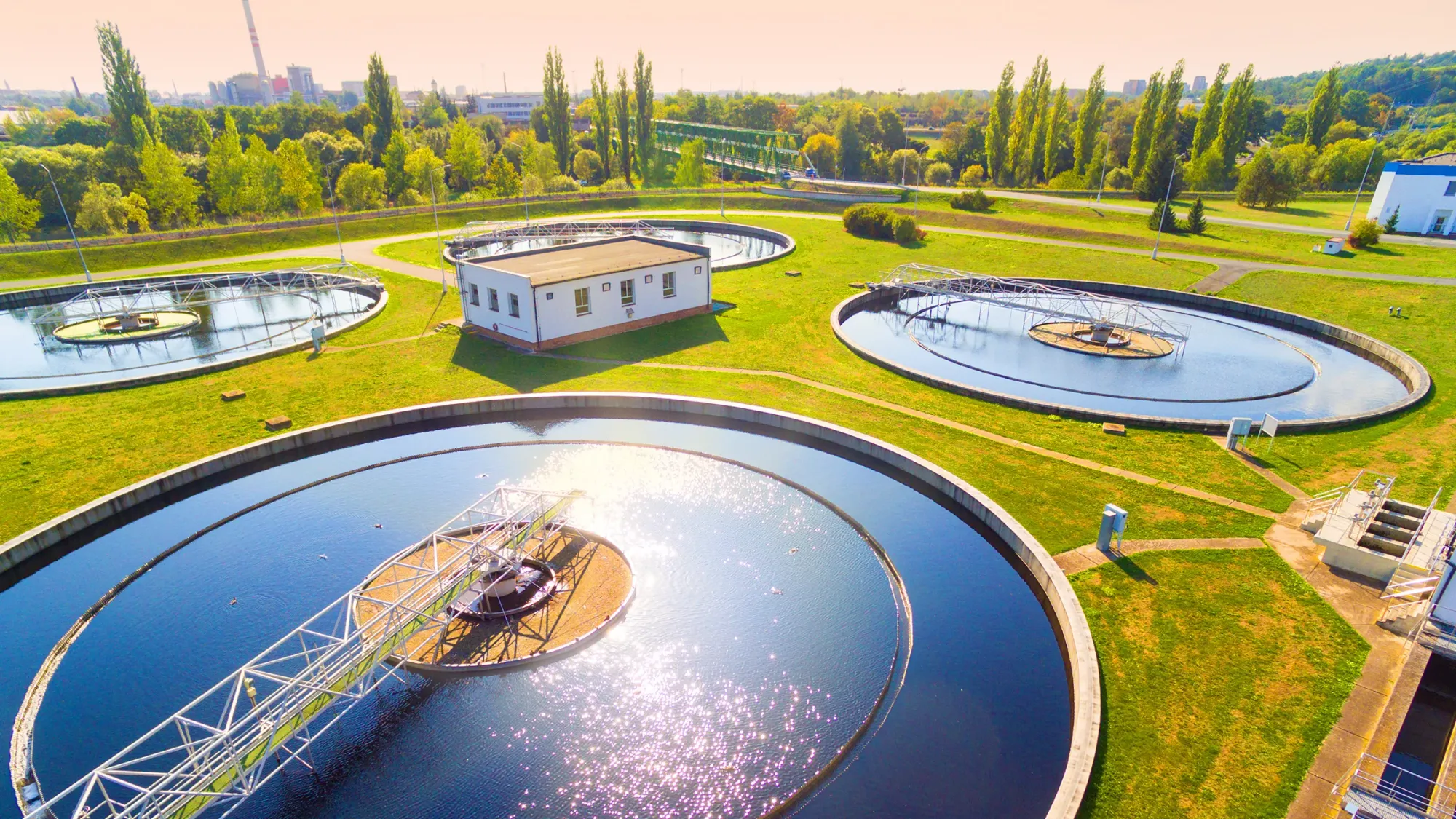
If you’re in the market for pumice stone for water filtration and feeling a bit overwhelmed, you’re not alone. I’ve been sourcing, shipping, and troubleshooting pumice orders for over a decade — and even now, I still get questions like:
“What size should I ask for?”
“Is washed pumice stone really worth it?”
“How does it compare to sand?”
Well, buckle up. This isn’t a textbook guide. It’s the real-world, no-fluff version of what you actually need to know when buying pumice stone for filtration systems.


🧠 First Things First: Why Even Use Pumice?
Let’s start with the obvious question.
Why pumice stone? Why not sand, anthracite, or zeolite?
Because pumice media checks more boxes than most people realize.
It’s:
🟢 Naturally porous (like a microscopic sponge)
🟢 Chemically inert (doesn’t react with treated water)
🟢 Lightweight (cuts down on structural load)
🟢 Reusable (yep, just backwash it!)
In municipal water plants, industrial recycling systems, and aquaponics setups — pumice filtration stone is showing up everywhere. I’ve personally worked with engineers from Jordan to Germany who swapped out their old media layers for pumice stone granules… and never looked back.
🔍 What Makes Pumice Stone Filtration-Grade?
Not all pumice is created equal. You don’t just scoop up some rock dust and throw it in a filter tank. Here’s what the pros look for:
🟤 1. Particle Size (This Is Big)
This one trips up a lot of buyers.
You need the right pumice granule size to match the layer function in your system. In general:
0.5–1 mm: polishing or top filter layers
1–3 mm: biological media or mid-layer filtration
3–5 mm+: coarse pre-filtration (for sediment-heavy water)
💬 Real talk: I once shipped 2 tons of pumice aggregate to a Gulf desalination project — but forgot to confirm the size range. They needed 0.5–1 mm. We sent 2–4 mm. The media clogged in 4 days flat. Lesson learned: size is everything.

⚖️ 2. Bulk Density
Pumice stone is light, yes — but the bulk density still matters for design engineers. Most filtration-grade Turkish pumice lands around 600–700 kg/m³ when dry.
Why it matters: You don’t want your media floating or shifting. A stable bulk density keeps layers uniform and predictable under pressure.

💧 3. Porosity
The higher the porosity, the better it is at capturing fine particles or fostering bacterial colonies for biofiltration. Look for pumice stone with porosity above 60%.
Pro tip: More pores = more holding capacity = less frequent backwashing.

🧼 Washed vs. Raw vs. Dried — What’s Best?
Here’s the breakdown:
✅ Washed Pumice Stone
Dust-free
Great for drinking water systems, aquaponics, hydroponics
More expensive (because of water processing)

💰 Raw Crushed Pumice
Slightly dusty
Fine for greywater, stormwater, or rough industrial filtration
Most affordable option

🌬️ Dried Pumice
Oven-dried or sun-dried for shipping
Prevents clumping or mold in long sea freight
Preferred in exports to humid regions
💬 "One time we shipped raw pumice stone to a fish hatchery in Kuwait. Customs held it because the bags had condensation inside. Ever since then, we use dried pumice for anything heading to hot climates."

📜 Certifications You Should Look For
If you’re dealing with municipalities, hospitals, or food-grade systems, paperwork is non-negotiable.
Look for:
CE Certification (for European compliance)
ISO 9001 (quality assurance)
REACH Compliance (chemical safety for the EU)
TDS / MSDS (Technical + Safety Data Sheets)
You can also ask for a sieve analysis report to verify exact pumice granule sizes.
🌍 Where to Source It (And What to Watch Out For)
Some of the best pumice stone in the world comes from volcanic regions in Turkey — especially:
Nevşehir
Kayseri
Afyonkarahisar
These areas produce light-colored, low-iron pumice ideal for water filtration media.
When choosing a pumice supplier, don’t just ask about price. Ask:
❓ Can they provide washed pumice?
❓ What’s their monthly capacity?
❓ What’s the average moisture level in their bags? (Target under 1.5%)
❓ Do they offer jumbo bags or only 25kg sacks?

📦 Export Tips (Because Mistakes Are Costly)
If you’re importing pumice stone in bulk, here’s what I always tell clients:
✅ Go Jumbo
If your use is commercial or municipal, skip the 25kg bags and opt for 1-ton jumbo bags with pallet loading. It’s cheaper, cleaner, and easier to unload.
✅ Verify Moisture Before Shipping
High moisture = heavier loads = higher freight costs. Always ask for dried pumice if you're shipping in humid months.
✅ Know Your Port Options
Most pumice exports from Turkey leave via Mersin, İzmir, or İskenderun — check shipping schedules to your region in advance.
🧰 Real-World Use Cases for Pumice Stone Filtration
🏢 Municipal Water Treatment
A plant in Morocco replaced their sand media with 1–2 mm pumice. Result? Fewer clogs, easier backwash, longer lifecycle.

🐠 Aquaculture Tanks
In Oman, a seafood farm uses Turkish pumice stone as biofiltration media in tanks. It reduced ammonia levels dramatically.

🌧️ Stormwater Management
A UAE project used 3–5 mm pumice in filtration trenches under urban sidewalks — less ponding, better drainage.

✅ Quick Buying Checklist
Before you send that email to your pumice supplier, confirm:
What’s the application?
What pumice size range do you need?
Do you need it washed or raw?
Are you shipping by container or truck?
Do you have the TDS or MSDS?
💬 “Trust me — asking these five questions upfront has saved me more money and headaches than any fancy CRM tool ever could.”
🔚 Final Word: Make Your Filtration Smarter With Pumice Stone
Pumice stone isn’t just another filter media. It’s a natural, sustainable, and highly effective volcanic material that’s being rediscovered by engineers around the world.
But like any tool, it only works if you get the specs right.
So if you're:
Setting up a municipal treatment plant,
Running a hydroponic farm,
Or building an aquascaping masterpiece…
Get the right pumice size, the right filtration grade, and the right supplier.

📩 Need Help Sourcing Filtration-Grade Pumice Stone?
At Marble Crust, we supply bulk Turkish pumice stone — washed, graded, and export-ready for water filtration systems. We’ve helped clients across Europe, Africa, and the Gulf region get exactly what they need, the first time.
👉 [Request a Free Sample]
👉 [Download Our Technical Datasheet]
👉 [Chat With a Materials Specialist]
🌟 Why More Engineers Are Switching to Pumice Stone for Filtration Projects
The demand for natural pumice filtration media is rising — and it’s not just a trend. Across industrial water systems, aquaculture facilities, and even residential filtration units, pumice stone continues to outperform traditional materials in both efficiency and sustainability.
Here’s why:
✅ Lower Maintenance Costs
Thanks to its high porosity and strong physical integrity, pumice stone filters require less frequent replacement than sand or synthetic alternatives. That means fewer shutdowns and lower labor costs.
✅ Multi-Stage Filtration Compatibility
Whether you're designing a two-layer system for stormwater or a five-layer treatment setup for industrial greywater, graded pumice granules integrate seamlessly across all layers.
✅ Improved Water Quality
Because pumice is inert, it doesn’t release any harmful substances into the water. Instead, it traps sediments, supports bacterial colonies, and improves overall water clarity — making it perfect for biofiltration systems, aquaponics, and drinking water applications.
✅ Eco-Friendly and Sustainable
Extracted with minimal processing, natural pumice stone offers a lower environmental impact compared to processed synthetic filtration media. Its long lifecycle means less landfill waste — and better ESG performance for your project.
✅ Excellent Flow Dynamics
When sized correctly, pumice filter media supports efficient water flow without compromising retention time. This balance is key in systems where both speed and purity matter — like in municipal treatment plants or high-throughput desalination facilities.
🔄 Whether you're upgrading a sand bed, building a custom aquaculture system, or sourcing materials for export — pumice stone is the filtration solution that delivers.
