Dolomite for Agriculture: What Every Farmer Should Know Before Buying in Bulk
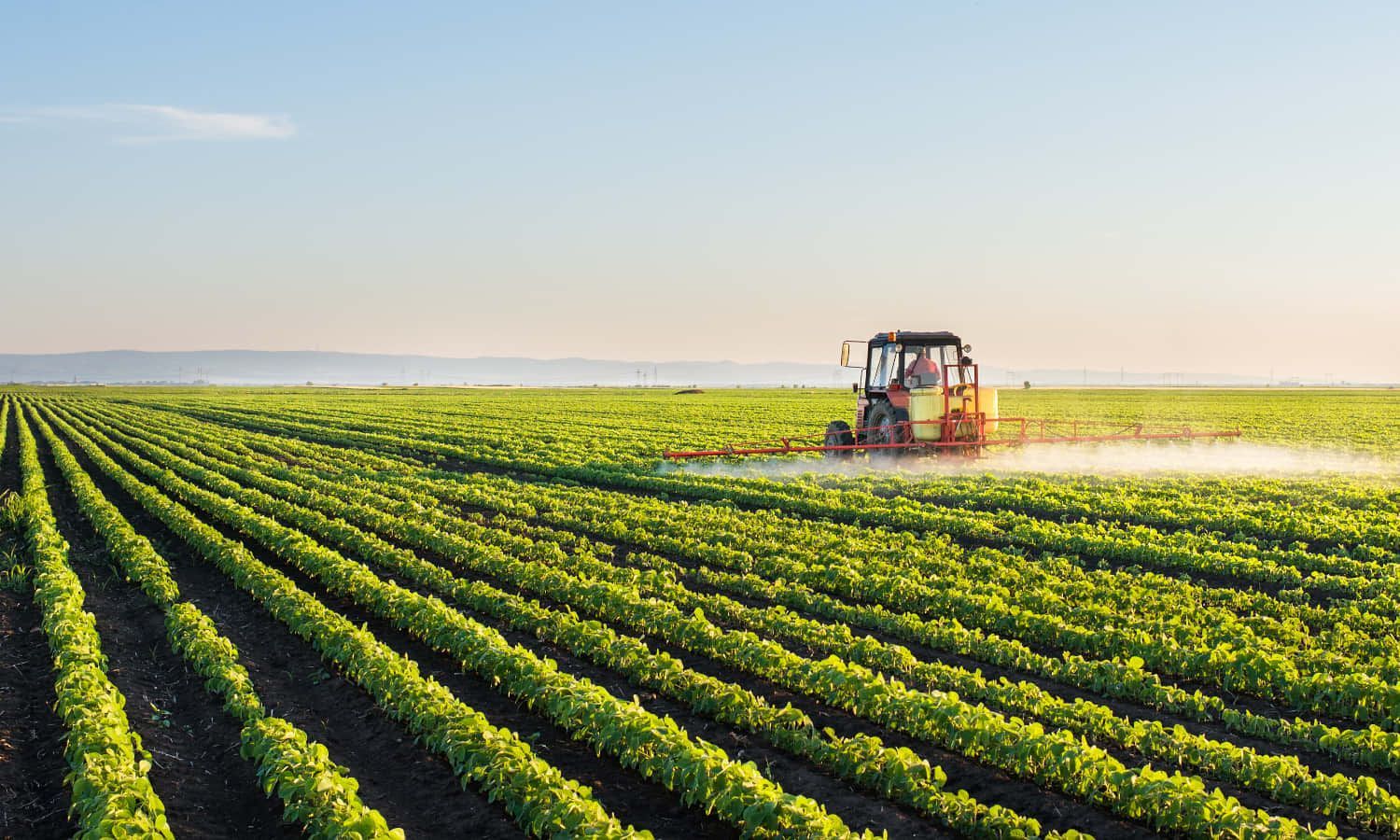
From a Raw Materials Expert Who’s Actually Ordered It by the Truckload
If you're in farming, you probably already know what dolomite is.
If not — let me get you up to speed real quick:
👉 Dolomite is a rock. A boring one. But a powerful one.
It’s basically calcium magnesium carbonate — and when it comes to dolomite for agriculture, it’s gold.
It’s used widely as a:
pH stabilizer
Natural source of calcium and magnesium in sustainable farming practices
🌿 Why Farmers Use Dolomite for Agriculture
When applied correctly, dolomite:
Raises soil pH (neutralizes acidic soils)
Adds essential calcium and magnesium
Helps unlock better nutrient absorption
Improves fertilizer efficiency
Supports long-term soil regeneration
But here’s what most farmers learn too late: Not all dolomite is the same.
Buying the wrong kind in bulk can cost you more than just money — it can harm your soil and crop yield.

💰 Why Buy Dolomite for Agriculture in Bulk?
Buying in bulk offers major benefits:
✅ Lower cost per ton
✅ Consistency across fields and seasons
✅ Fewer delivery delays or price hikes during peak farming seasons
But only if you source it right.
✅ Purity Levels: Focus on Ca and Mg
Your dolomite should contain:
50–56% CaCO₃ (Calcium Carbonate)
30–40% MgCO₃ (Magnesium Carbonate)
Low-grade dolomite might look fine — but won’t correct pH or nutrient issues effectively.
🔍 Pro Tip: Always ask for a COA (Certificate of Analysis) from the supplier.


✅ Particle Size: Choose for Your Use Case
Dolomite comes in several forms:
Powdered (100–200 mesh):
Fast-acting
Ideal for quick pH correction before planting
Granular or Pelletized:
Slower release
Easier to spread
Great for long-term soil balance
💡 Note: Finer mesh = faster results, but can clump during storage if not handled properly.


✅ Moisture Content: Watch for Clumping
Wet dolomite = big problems.
It sticks
Clogs your spreader
Leads to uneven coverage
✅ Target moisture content: Less than 2%

✅ Coated vs. Uncoated Dolomite
Most dolomite for agriculture applications is uncoated, and that’s perfectly fine.
Coated dolomite is mostly used in specialty crop systems with timed nutrient release.
Unless you're told otherwise by a consultant, stick with uncoated.

✅ Impurities to Avoid
High-purity dolomite means fewer soil risks. Watch out for:
Silica (can interfere with soil microbes)
Iron (can stain leaves)
Heavy metals like lead or cadmium (not food safe)
Always check test results before ordering.
Require federal agencies to collaborate on a single environmental review documents, for establishing a reasonable timeframe
Rashed Kabir /CEO, California

✅ Packaging and Handling Tips
Dolomite is typically sold in:
🚛 Loose bulk (trucks or trailers)
🚢 Bulk containers (for imports)
Pro handling tips:
Go with loose truckloads for local supply if you have dry storage
Choose jumbo bags if you want better shelf life
Ask about stacking strength and forklift handling to prevent damage

✅ Know the Source (It Matters!)
Some countries produce high-quality dolomite — others don’t.
Regions like Turkey are known for:
Low-contaminant dolomite
Strong Mg and Ca content
Reliable processing methods
💬 Always ask:
Where was it mined?
Who processed it?
Can they show you lab results?
High-purity dolomite for agriculture is usually mined from sedimentary rock with low impurity levels — perfect for crop use.

✅ Application Rates: How Much to Use
Application depends on your soil test. General guidelines:
Light soil / minor acidity: 200–400 kg/acre
Heavy clay / high acidity: 600–1000 kg/acre
Magnesium-deficient soil: Higher application + retest after 6 months
📅 Reapply every 2–3 years for lasting soil balance.

❌ 9. What to Avoid Like the Plague
Avoid any dolomite that has:
🚫 No COA or unclear origin
🚫 Is “too cheap to be true”
🚫 Stored uncovered or in moist environments
🚫 Too low in Mg or too high in Ca (imbalanced product)
🌱 Dolomite for Agriculture and Crop-Specific Use
Dolomite for agriculture is especially helpful in crops like:
🌾 Corn
🌿 Alfalfa
🌻 Wheat
🌱 Soybeans
🐄 Pasture grasses
It’s also essential for organic farms, where synthetic nutrient options are limited.
In these systems, dolomite:
Corrects pH
Adds vital magnesium and calcium
Detoxifies soil from acidic buildup
Complies with organic certification

💡 Why Selecting Quality Dolomite for Agriculture Pays Off
The difference between just “any bulk dolomite” and a properly sourced product?
Everything.
Here’s what you gain by sourcing the right dolomite:
✅ Healthier Soil
Boosts microbial activity, balances pH, and regenerates soil long term.✅ Stronger Crops
Calcium and magnesium help plants grow deeper roots, fight disease, and increase yield.✅ Better Fertilizer Efficiency
Balanced pH makes your NPK inputs work harder — and saves you money.✅ Sustainable Yield
Good dolomite conditions your soil not just for now, but for future seasons.✅ Organic-Friendly
Approved for use in organic-certified farms and safe for the environment.
📈 Whether you're farming conventionally or organically, investing in quality dolomite for agriculture is a no-brainer.
When your soil wins, your crops win. And when your crops win — so does your whole operation.
✅ Final Thoughts: Source Smart, Spread Smarter
If there’s one thing I’ve learned sourcing raw materials for farmers around the world, it’s this:
👉 Don’t just buy bulk dolomite for agriculture — buy the right dolomite for your soil and your crops.
Run the tests. Ask the questions. And partner with someone who knows their material as well as you know your land.
Because when you’re growing something from the ground up, what you put into that ground makes all the difference.