Dolomite Powder Uses in Agriculture: The Complete Guide for New-Age Farming
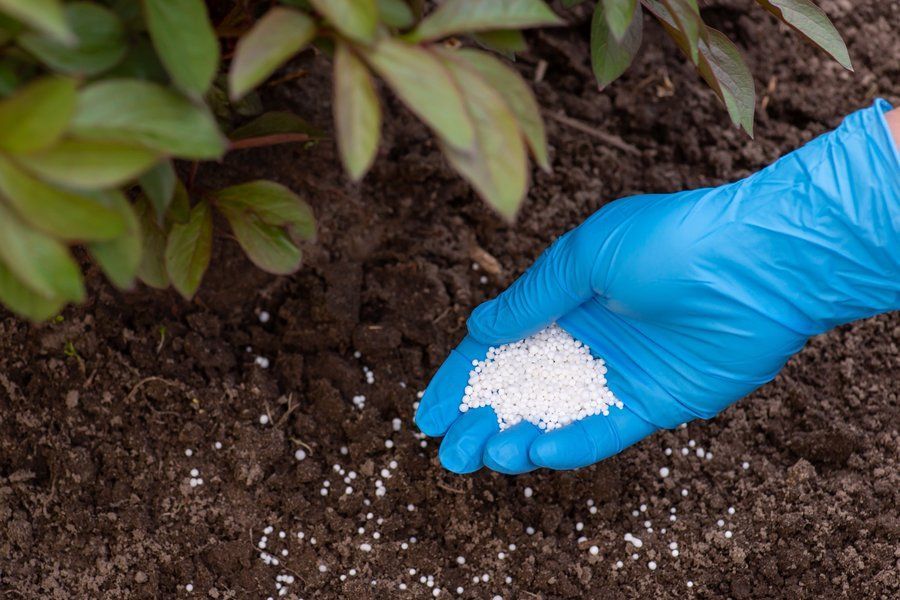
If you're in farming today, you're not just growing crops — you're managing risk, working with nature and technology, and thinking like a business owner.
And more than ever, modern farmers are looking for smart, affordable, and natural ways to improve soil health and long-term productivity.
Let me introduce you to one of the most overlooked but powerful tools in the shed:
👉 Dolomite powder — especially when it comes to dolomite powder uses in agriculture.

💡 What Exactly Is Dolomite Powder?
Dolomite powder is the ground form of dolomite rock — a natural mineral made up of calcium magnesium carbonate (CaMg(CO₃)₂).
Also known as “dolomitic lime,” it's commonly used in agriculture to:
Add calcium and magnesium
Support microbial life in the soil
Think of it like a multi-vitamin for your soil — affordable, natural, and packed with long-term benefits.

🧪 Why Dolomite Powder Matters for Modern Farmers
Modern soils are under pressure — from over-farming, over-fertilizing, and erosion.
You might be facing:
Yellowing leaves
Weak root development
Poor crop yields
Fertilizer not working like it used to
👉 One client in Turkey was throwing superphosphate at his tomatoes and getting nowhere. After soil testing revealed low magnesium and high acidity, we introduced dolomite powder. Within two seasons, he had a 30% boost in yield and lower input costs.
Dolomite didn’t just help — it changed everything.


🌱 How Dolomite Powder Works in Soil
Dolomite powder uses in agriculture come down to three powerful functions:
1. Neutralizes Acidic Soils
Raising pH from below 6.0 makes nutrients like phosphorus and potassium available again — unlocking soil potential.
2. Replenishes Nutrients
Dolomite provides:
Calcium for strong cell walls
Magnesium for better chlorophyll production
3. Supports Microbial Activity
Balanced pH and calcium levels create a healthy root environment, especially important in organic and regenerative systems.


🌾 Practical Ways to Use Dolomite Powder on the Farm
Here’s how farmers actually put dolomite to work:
✅ As a Soil Conditioner
Apply pre-planting or after harvest to correct soil acidity
Blend with compost or manure for slow-release effects
✅ To Correct Magnesium Deficiency
Ideal for crops showing interveinal chlorosis (yellowing between veins)
✅ In Pasture Management
Helps prevent grass tetany in livestock
Improves forage quality
✅ For Organic and Sustainable Farming
OMRI-listed and safe for use in certified organic operations
Works well in low-input or no-till systems


🧮 How Much Dolomite Powder Should You Apply?
Rule #1: Always test your soil.
Rule #2: Don’t guess — measure.
General guidelines for dolomite powder application in agriculture:
Lightly acidic soils: 200–400 kg/acre
Strongly acidic or magnesium-deficient soils: 500–1000 kg/acre
Pasture maintenance: ~300 kg/acre every 2–3 years
Powdered dolomite (100–200 mesh) acts faster but may clump.
Granular dolomite is easier to spread and releases nutrients slowly.
✅ Bonus tip:
Blend dolomite with compost to improve microbe activity and reduce dusting.
🛒 How to Choose the Right Dolomite Powder for Your Farm
Not all dolomite is created equal. Watch for:
✅ Key Factors in Quality:
CaO content: 28–30%
MgO content: 18–22%
Moisture: Below 2%
Mesh size: 100–200 for agri use
Low impurities: Avoid high iron, silica, or heavy metals
📄 Always request a COA (Certificate of Analysis) before buying in bulk.

🚫 Mistakes to Avoid with Dolomite Powder Uses in Agriculture
Even experienced farmers can slip up. Here are some common pitfalls:
❌ Applying without soil testing
❌ Using dolomite where magnesium is already high (can block other nutrients)
❌ Overapplying — more isn’t always better
❌ Using clumped or moist dolomite that doesn’t spread evenly
📦 Where to Source Agricultural Dolomite Powder
Some of the most reliable dolomite powder manufacturers for agriculture are located in:
🇹🇷 Turkey
🇻🇳 Vietnam
🇧🇷 Brazil
Make sure your supplier offers:
COA and proper grading
Bulk packaging (25kg bags, jumbo FIBCs)
Moisture-controlled storage
Export-ready logistics, if needed

🌿 Why Dolomite Powder Uses in Agriculture Are a Smart Long-Term Move
When you're trying to farm sustainably, not every amendment lives up to its promise.
But dolomite powder? It’s proven, reliable, and cost-effective.
Here’s why farmers keep using it year after year:
✅ 1. Naturally Balances Soil pH
No synthetics needed — dolomite brings your soil back into healthy range.
✅ 2. Strengthens Crops
With calcium and magnesium, your plants grow stronger, greener, and more resilient.
✅ 3. Gets More Out of Your Fertilizer
Balanced pH helps your other inputs perform better — saving money in the long run.
✅ 4. Perfect for Organic Systems
It’s clean, OMRI-listed, and approved for use in organic and sustainable farming.
✅ 5. Flexible for Any Crop or Farm
Whether you're growing rice, citrus, pasture, or greenhouse veggies — dolomite can be tailored to fit.
✅ 6. Affordable and Scalable
Whether it’s 5 acres or 500, bulk dolomite powder for agriculture delivers value at every scale.
🔚 Final Thoughts: Dolomite Powder Uses in Agriculture Just Make Sense
Dolomite powder isn’t just another input — it’s long-term soil insurance.
Used wisely, dolomite powder helps you:
✅ Balance nutrients
✅ Strengthen soil structure
✅ Boost yield potential
✅ Lower dependency on synthetic inputs
So if it’s been a while since your last soil test — now’s a great time.
And if you’re looking for a natural, proven way to correct soil acidity and magnesium deficiency, it might be time to give dolomite powder a try.
Because when your soil wins, your entire operation wins.

🌱A Farmer’s Perspective on Dolomite
Here’s the thing most guides don’t always say out loud: farming is messy, unpredictable, and no single fix works for everyone. Still, whenever I visit growers across different regions, the topic of soil health always comes up — and that’s usually where Dolomite Powder Uses in Agriculture finds its place.
Some farmers talk about the first time they tried it and how their soil tests finally started to look normal again. Others mention how applying dolomite helped their fertilizer budget stretch further. These aren’t miracle stories, just the quiet, steady benefits that come from knowing how to put a natural mineral to work. And that, in my experience, is the real strength behind Dolomite Powder Uses in Agriculture.
It’s not just about fixing acidity or adding magnesium; it’s about confidence. Confidence that the crop won’t fail halfway through the season because the soil is out of balance. Confidence that the next generation of farmers won’t inherit worn-out fields. Over the years, I’ve come to see Dolomite Powder Uses in Agriculture as a kind of insurance policy — not flashy, but dependable.
And let’s be honest: cost matters. Nobody wants to overspend on inputs that don’t pull their weight. The good news is that Dolomite Powder Uses in Agriculture can be scaled. Whether it’s a few acres or hundreds, buying smart and applying wisely means the soil improves without draining your budget.
At the end of the day, it’s less about science talk and more about real-world results. If the land gives back more than you put in, then you’ve made the right choice. And that’s why I believe Dolomite Powder Uses in Agriculture isn’t just another farming trend — it’s a practical step that keeps paying you back, season after season.